

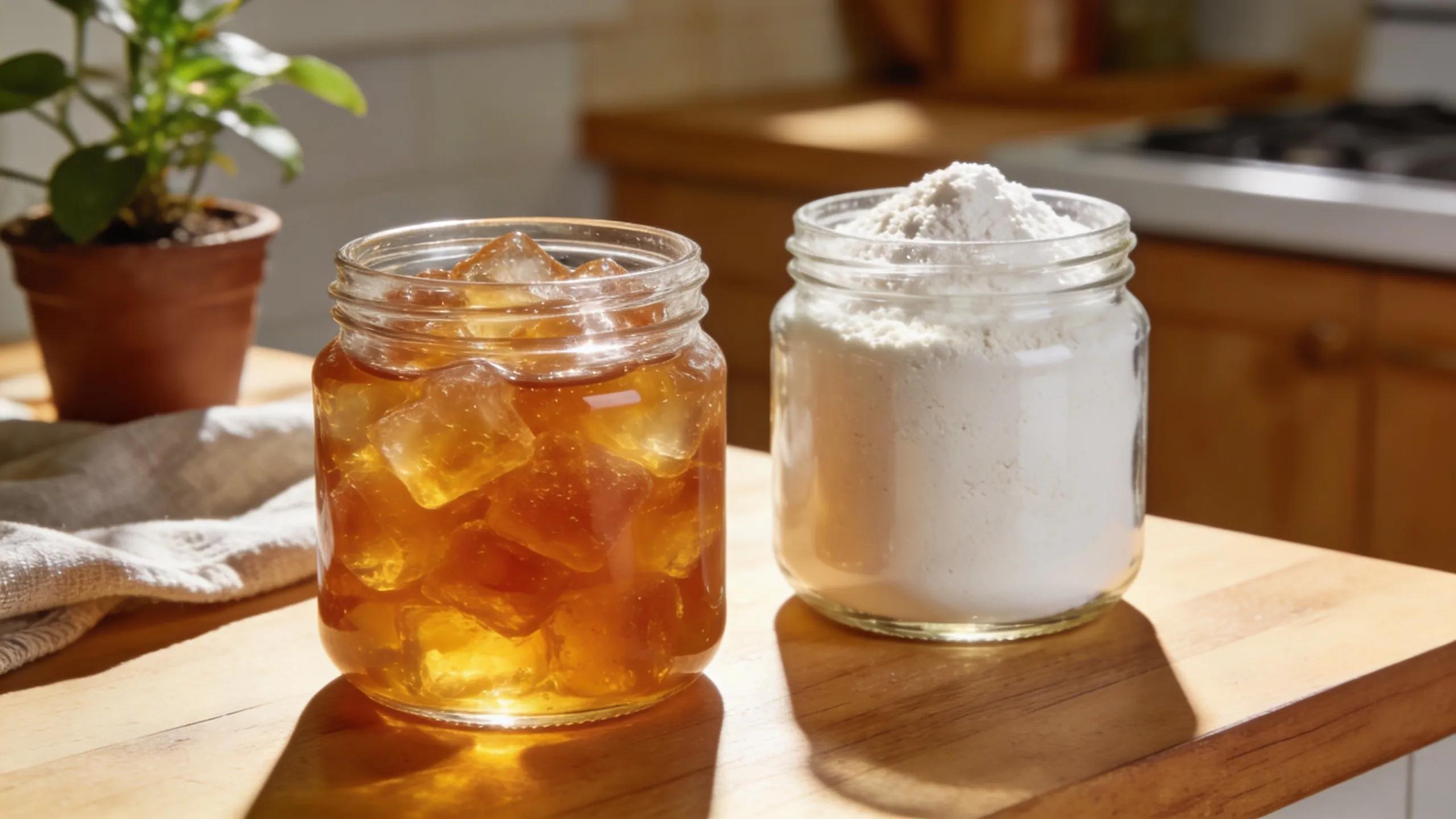
Beef Gelatin vs Collagen Peptides in 2026: Key Differences and Health Benefits Explained
In the evolving landscape of health supplements, beef gelatin and collagen peptides have gained popularity for their health benefits. Knowing the key differences between these two can help you decide which fits best into your lifestyle. This article explores how beef gelatin and collagen peptides differ, their health advantages, and practical ways you can include them in your everyday routine. Many people are looking for natural ways to support joint, gut, and skin health, so understanding these supplements can set you on the right path.
Key Differences
When looking at beef gelatin and collagen peptides, it’s useful to understand how they differ chemically, their forms, solubility, and gel-forming abilities.
Chemical Structure:
Beef gelatin consists of longer protein chains that gel when mixed with water—this comes from collagen’s natural structure. Collagen peptides are processed to break these chains into smaller bits, which your body can absorb more easily. This means collagen peptides may work quicker when your body uses them for repair and maintenance.
Forms:
You’ll find beef gelatin most often as powder or sheets, usually used in cooking for its gel-like quality. Collagen peptides typically come as an unflavoured or flavoured powder, easily added to drinks or meals without changing the texture. This makes collagen peptides a handy option for daily health boosts.
Solubility:
Collagen peptides dissolve easily in cold or hot liquids, so you can stir them into smoothies, soups or coffee. Beef gelatin needs hot water to dissolve, and it firms up as it cools, making it perfect for jelly-like desserts or other dishes that require a set texture.
Gelling Properties:
Beef gelatin is well known for setting firmly when cooled, which is ideal in cooking and baking. Collagen peptides do not gel, so they are more suited to adding protein and health benefits to foods and drinks without changing their consistency.
Health Benefits
Both beef gelatin and collagen peptides offer great perks that support your body in different ways.
- Gut Health: Beef gelatin helps soothe and repair the gut lining, while collagen peptides support a healthy balance of gut bacteria.
- Joint Support: Both can ease joint discomfort and help keep tendons and cartilage strong.
- Skin Elasticity: Supplementing with collagen can promote more supple skin and reduce wrinkles.
Collagen Peptides:
Thanks to their smaller size, collagen peptides are absorbed quickly. They help with muscle recovery, boost skin hydration and strengthen hair and nails. Their ease of use in drinks or meals means you can maintain a steady intake for lasting benefits.
Gelatin:
Beef gelatin not only adds texture to your meals but also provides amino acids crucial for tissue and joint repair. It also helps promote a feeling of fullness, which can be useful for managing intake when included in recipes.
Potential Uses
Both supplements have many practical uses in daily nutrition and cooking.
- Supplementation: Easily taken as powders to add protein to your diet.
- Culinary Applications: Beef gelatin suits baking and desserts; collagen peptides are great in smoothies and shakes.
- Functional Foods: Health-oriented products often include gelatin or collagen peptides to boost wellbeing.
How to Include Beef Gelatin and Collagen Peptides in Your Day-to-Day?
Getting these into your routine can be simple with a few tasty ideas.
- Morning Smoothies: Stir in a scoop or two of collagen peptides for a protein lift.
- Cooking: Use beef gelatin to make homemade desserts or jellies that support your health.
- Soups and Broths: Add gelatin for extra nutrition and a richer flavour.
Serving Suggestions
To make the most of these powders, here’s a general guide:
- Collagen Peptides: About 10-20 grams daily is a good target for ongoing support.
- Gelatin: One to two tablespoons in recipes works well, especially to achieve desired firmness.
Best Practices for Use
Because gelatin and collagen peptides behave differently, a couple of tips can help:
- Gelatin is best dissolved in warm liquids to fully activate its gelling properties.
- Collagen peptides mix smoothly into both warm and cold foods without issue.
Knowing these details helps you get the most from your supplements every day.
Why Opt for Australian Sourced Beef Gelatin and Collagen Peptides in 2026?
Choosing Australian-sourced products means you’re getting quality that meets high standards. Australia's strict regulations and ethical practices ensure clean and trustworthy supplements.
The Benefits of Australian Grass-Fed & Finished Beef
Gelatin and collagen sourced from Australian grass-fed and finished cattle are prized for their purity. Animals raised naturally lead to products free from artificial hormones or antibiotics.
Strong Manufacturing Standards
Australian production follows robust quality controls to deliver safe, reliable gelatin and collagen peptides. Specialists focus on integrity throughout the sourcing and making process to bring you dependable health supplements.
Common Questions About Gelatin and Collagen Peptides
What Sets Gelatin and Collagen Peptides Apart?
The main difference is how they’re processed and their texture in foods. Gelatin gels when cooled and needs heat to dissolve, while collagen peptides dissolve easily in any temperature liquid and are quickly absorbed by the body.
With a clearer understanding of these supplements, you can decide which fits your goals and lifestyle best.
Frequently Asked Questions
1. Can beef gelatin or collagen peptides help with athletic performance?
Yes, both beef gelatin and collagen peptides can support athletic performance. Collagen peptides are especially beneficial for muscle recovery and can help reduce joint pain after intense exercise. The amino acids in beef gelatin also play a role in tendon and ligament health, which is crucial for athletes. Including these supplements in your diet may enhance recovery times and overall physical performance.
2. Are there any side effects associated with beef gelatin and collagen peptides?
Generally, beef gelatin and collagen peptides are safe for most people when consumed as directed. However, some individuals may experience digestive discomfort such as bloating or diarrhea. It's essential to start with smaller doses and gradually increase to assess tolerance. Those with allergies to beef products should also avoid them. Consult a healthcare provider for personalized advice, especially if you have existing health concerns.
3. How do I choose between beef gelatin and collagen peptides for daily use?
Choosing between beef gelatin and collagen peptides largely depends on your health goals and dietary preferences. If you seek a supplement that aids cooking and provides gelling properties, beef gelatin is ideal. However, if convenience and rapid absorption are priorities, go for collagen peptides. Additionally, consider how you plan to incorporate them into your meals, as each has unique preparation methods.
4. How do beef gelatin and collagen peptides compare in terms of nutritional content?
Both beef gelatin and collagen peptides are rich sources of protein but differ slightly in their amino acid profiles. Collagen peptides contain a higher concentration of essential amino acids like glycine, proline, and hydroxyproline, which are crucial for skin and joint health. Beef gelatin also contains these but is more focused on gel-forming properties. Depending on your nutritional needs, either can be beneficial as part of a balanced diet.
5. Can I use beef gelatin and collagen peptides together in my diet?
Absolutely! You can combine beef gelatin and collagen peptides in your diet for enhanced benefits. For instance, add collagen peptides to your morning smoothies for easy absorption while using gelatin for cooking desserts. This combination allows you to enjoy the unique benefits of both supplements, promoting overall health and wellbeing while also adding versatility to your meals.
6. What is the recommended daily intake for collagen peptides and beef gelatin?
The general recommendation is about 10-20 grams of collagen peptides per day for ongoing benefits, while beef gelatin typically requires 1-2 tablespoons in recipes. Adjusting the amounts based on personal goals and dietary habits can optimize results. Always listen to your body’s responses, and consult a nutritionist for tailored guidance.
7. Are collagen peptides or beef gelatin good for skin health?
Both supplements can contribute positively to skin health. Collagen peptides are particularly known for enhancing skin hydration and elasticity, helping to reduce wrinkles over time. Beef gelatin also supports skin health by providing essential amino acids that aid in connective tissue repair. For optimal skin benefits, regular intake of either can be advantageous in a holistic skincare approach.


