

Beef Tallow for Cooking: What Australian Home Cooks Should Know About Rendering, Health Benefits, and Recipes
By Gelpro Australia, Gelpro Australia
Beef tallow, a rendered form of beef fat, has gained popularity among Australian home cooks due to its versatility and unique flavour profile. This comprehensive guide delves into the rendering process, health advantages, and delicious recipes using "beef tallow", showcasing why it deserves a place in your kitchen. With many home cooks seeking higher-quality cooking fats that can enhance the taste of their dishes, beef tallow provides an excellent solution that combines nutritional benefits with culinary prowess. From its rendering to practical cooking applications, we will explore the ins and outs of this traditional fat that is making a strong comeback in modern kitchens. This article will address the rendering process, health benefits, comparisons with other fats, and highlight popular recipes that maximise the use of beef tallow.
How Do You Render Beef Tallow at Home Using Australian Grass-Fed Beef Fat?
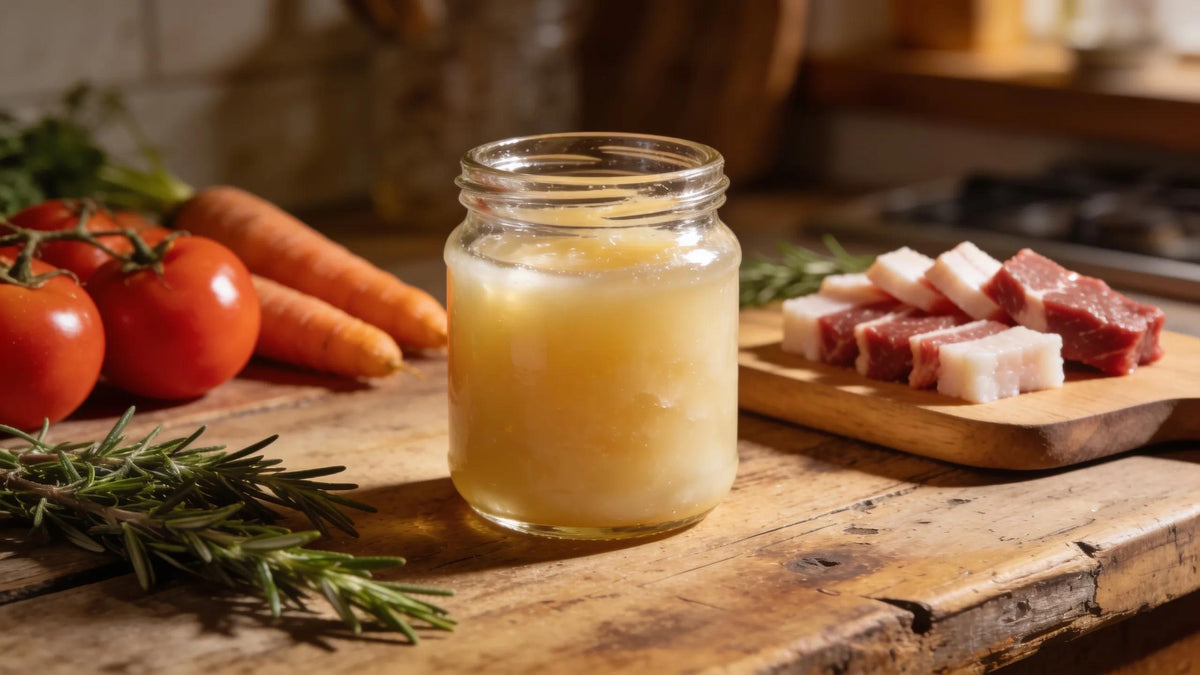
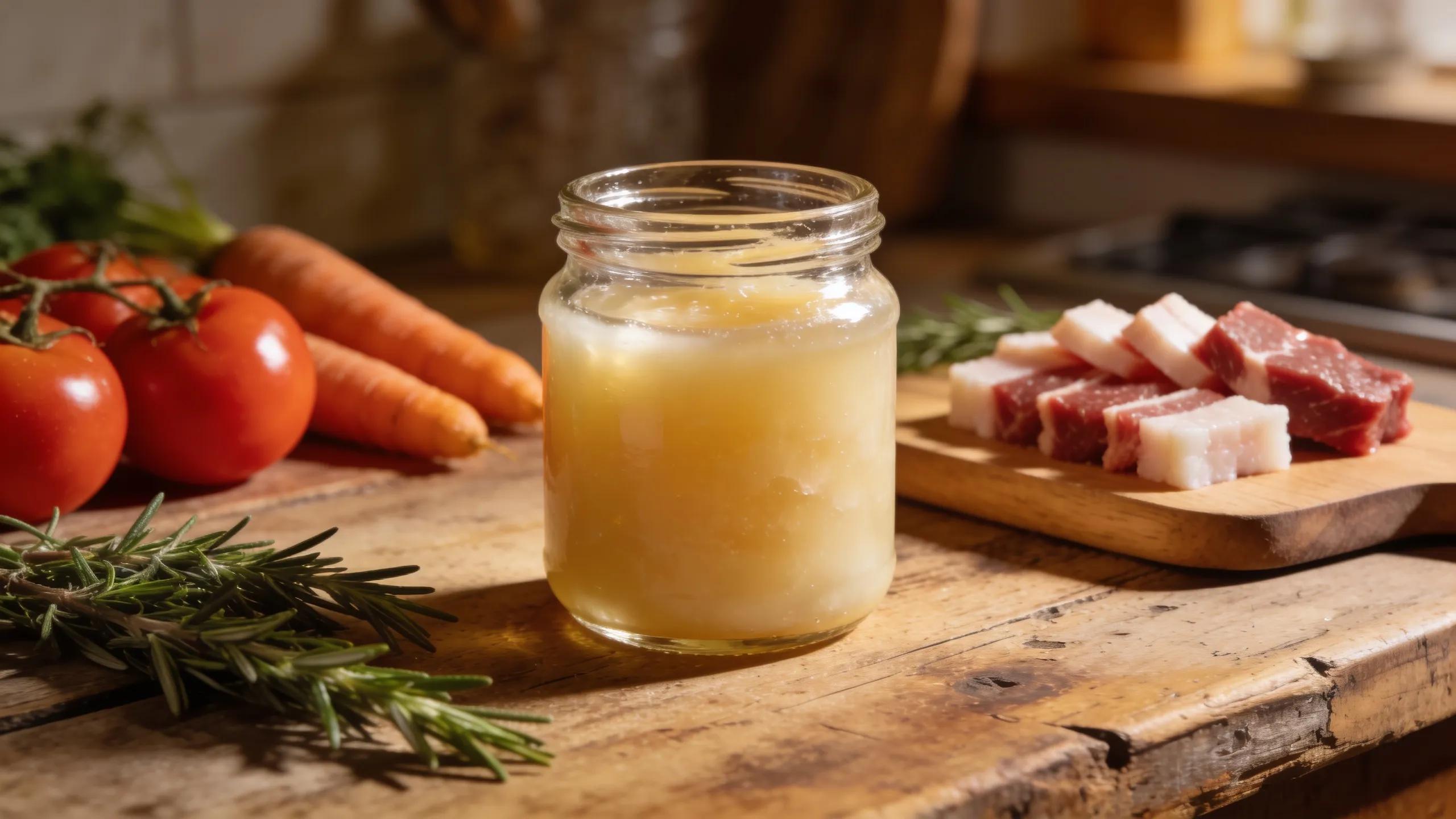
Rendering beef tallow at home is a straightforward process that transforms raw beef fat into a cooking oil rich in flavour and nutrients. By using high-quality "Australian grass-fed beef fat", home cooks can create a healthy fat alternative for frying, roasting, and baking. The rendering process allows the natural flavours of beef fat to be concentrated, resulting in a cooking medium that elevates the taste of various dishes.
What Are the Step-by-Step Instructions for Rendering Beef Tallow?

To render beef tallow at home, follow these simple steps:
-
Preparation of Beef Fat: Start by cutting the beef fat into small, uniform pieces. This increases the surface area and speeds up the rendering process. It is crucial to use high-quality, grass-fed beef fat for optimal flavour and health benefits.
-
Cooking Process: Place the cut pieces in a large pot or slow cooker and heat over low to medium heat. The fat will begin to melt gradually, releasing moisture and impurities. Stir occasionally to prevent sticking and ensure even melting.
-
Straining and Storage: Once the fat has fully melted and the solid bits have settled at the bottom, strain the liquid through a fine-mesh sieve or cheesecloth into a clean jar. Allow it to cool before sealing the container. Properly rendered tallow can be stored in the refrigerator for several months.
What Tools and Safety Tips Are Needed for Safe Rendering?
When rendering beef tallow, using the right tools and safety measures is essential. Necessary tools include:
-
A sharp knife for cutting fat
-
A large pot or slow cooker for melting the fat
-
A fine-mesh sieve or cheesecloth for straining
-
Heat-resistant jars or containers for storage
Safety tips to consider:
-
Always monitor the melting fat carefully to prevent overheating or potential fire hazards.
-
Use oven mitts when handling hot pots or jars.
-
Ensure good ventilation in your kitchen, as the rendering process may produce strong odours.
What Are the Health Benefits and Nutritional Facts of Grass-Fed Beef Tallow?

Grass-fed beef tallow is not only a flavourful cooking fat but also comes with numerous health benefits. It is rich in beneficial fatty acids, vitamins, and nutrients that can support a healthy diet. Understanding these "health benefits" can encourage more home cooks to incorporate tallow into their cooking repertoire.
How Does Grass-Fed Beef Tallow Compare to Grain-Fed in Health Impact?
Grass-fed beef tallow is generally considered to be superior to grain-fed tallow in several ways. Studies show that grass-fed beef fat contains higher levels of omega-3 fatty acids, which are known for their anti-inflammatory properties. Additionally, it has a better balance of omega-6 to omega-3 fatty acids, contributing to improved heart health.
Furthermore, grass-fed tallow is higher in conjugated linoleic acid (CLA), a fatty acid associated with potential health benefits. Choosing grass-fed tallow not only enhances the nutritional profile of your meals but also supports sustainable farming practices.
What Are the Key Nutritional Components of Beef Tallow?
Beef tallow is rich in various nutrients, making it a valuable addition to a balanced diet. Key components include:
-
Saturated Fats: About 50% of tallow consists of saturated fats, which are stable at high temperatures.
-
Monounsaturated Fats: Approximately 42% of its composition includes monounsaturated fats, beneficial for heart health.
-
Vitamins: Beef tallow contains fat-soluble vitamins A, D, E, and K, which are essential for maintaining overall health.
These components highlight why beef tallow is considered a nutrient-dense cooking fat that can provide energy and support bodily functions.
How Does Beef Tallow Compare to Other Cooking Fats Commonly Used in Australia?
When it comes to cooking fats, beef tallow stands out among the various options available in Australia, each with its unique properties and culinary uses. Understanding how beef tallow measures up against other fats is essential for making informed choices in the kitchen.
What Are the Smoke Points and Cooking Applications of Beef Tallow vs Vegetable Oils?
Beef tallow has a high smoke point of around 400°F (204°C), making it an excellent choice for high-heat cooking methods like frying and roasting. In comparison, many vegetable oils, such as canola and sunflower oils, generally have lower smoke points. This characteristic allows beef tallow to maintain its integrity under heat without breaking down and producing harmful compounds.
Is Beef Tallow a Healthier Alternative to Common Cooking Oils?
From a health perspective, beef tallow offers several advantages over common cooking oils. Unlike many vegetable oils that are often highly processed and refined, beef tallow is minimally processed and retains a rich nutritional profile. Additionally, the beneficial fatty acids found in beef tallow can support heart health, while other oils may be higher in omega-6 fatty acids, which can lead to inflammation if consumed in excess.
For those seeking a return to traditional cooking methods or looking to enhance the flavour of their dishes with natural fats, beef tallow stands out as a healthy and flavourful alternative.
What Are Some Popular Australian Recipes Highlighting Beef Tallow?
Beef tallow’s rich flavour and cooking properties lend themselves well to a variety of traditional and modern Australian recipes. Utilising this rendered fat can elevate your home-cooked meals and create a unique culinary experience.
Which Traditional and Modern Dishes Benefit from Beef Tallow?
Several classic and contemporary Australian recipes can benefit from the use of beef tallow, including:
-
Roast Vegetables: Toss seasonal vegetables in beef tallow before roasting to impart a rich flavour and achieve perfectly caramelised results.
-
Beef Stews: Utilise tallow to brown meats at the beginning, lending depth and richness to stews and braises.
-
Fried Foods: Experiment with frying fish, chips, or doughnuts in beef tallow for a distinctive taste that adds authenticity to classic dishes.
These applications showcase the versatility of beef tallow, making it a worthy addition to any home cook’s repertoire.
How Can Home Cooks Use Beef Tallow for Frying and Roasting?
To maximise the use of beef tallow, home cooks can apply various methods:
-
Frying: Due to its high smoke point, it is ideal for deep frying. Foods fried in beef tallow develop a crispy exterior and juicy interior.
-
Roasting: Drizzling melted tallow over meats or vegetables before roasting enhances flavour while helping to achieve a beautiful golden crust.
-
Baking: Incorporating beef tallow into baked goods like pie crusts can provide a rich, savoury taste, setting your creations apart from those made with butter or vegetable shortening.
By combining the knowledge of rendering, nutritional benefits, and cooking applications, home cooks can fully embrace the culinary potential of beef tallow and make it a staple in their kitchens.


