

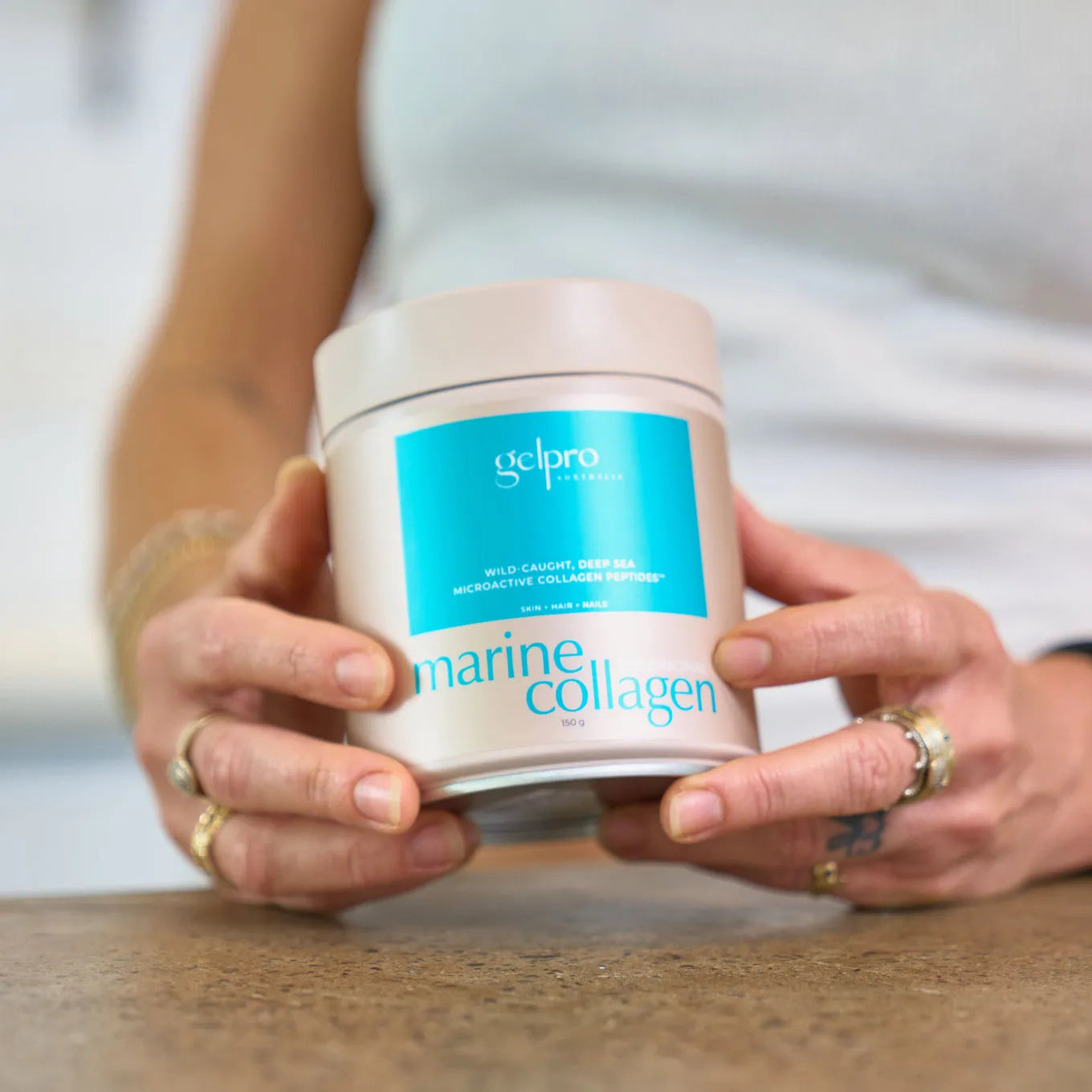
Marine vs Bovine Collagen — Which Is Right For You in 2026? An Expert Guide to Benefits and Usage
Collagen is a fundamental protein in our bodies, playing a crucial role in the health of skin, joints, and connective tissues. As consumers become increasingly health-conscious, there is growing interest in collagen supplementation, specifically between marine and bovine sources. This article aims to detail the key differences, health benefits, and best usage practices for marine and bovine collagen, equipping you with the knowledge to make informed choices in 2026. Whether for enhancing skin elasticity, supporting joint health, or promoting gut integrity, understanding these two types of collagen is essential for maximising wellness. We will delve into the distinctions, benefits, absorption rates, and practical guidelines for incorporating these supplements into your regimen.
What Are the Key Differences Between Marine and Bovine Collagen?
Marine and bovine collagen differ primarily in their sources, types, and corresponding health benefits. Marine collagen is derived from fish skin and scales, while bovine collagen comes from cow hide and bones. This fundamental difference in sourcing contributes to the varying types of collagen available in each form, notably Type I and Type III collagen in marine sources and Type I and Type III collagen in bovine sources, each supporting distinct aspects of health.
How Do Collagen Types I, II, and III Differ in Marine and Bovine Sources?
Types of collagen are categorised based on the structure and function they serve within the body. Type I collagen, most prevalent in marine collagen, is essential for skin elasticity and hydration, making it particularly beneficial for cosmetic purposes. Type III collagen, often accompanying Type I, supports skin structure and is vital in young, healthy tissues. Conversely, bovine collagen predominantly provides Type I and Type III collagen, as well as Type II collagen, which is crucial for joint health, cartilage, and overall joint function. Therefore, your choice between marine and bovine collagen should align with your specific health goals, such as skin improvement versus joint support.
What Role Does Australian Sourcing Play in Collagen Quality?
Australian-sourced collagen is renowned for its exceptional quality, often characterised by strict regulatory standards that help ensure purity and sustainability. The fishing practices in Australia emphasise environmental responsibility, translating into a product that not only maintains high efficacy but also upholds ethical sourcing practices. These regulations contribute to the overall bioavailability and potency of collagen supplements, ensuring consumers receive the best possible health benefits.
What Health Benefits Does Marine Collagen Support?
Marine collagen offers a variety of health benefits that are particularly well-suited for beauty and wellness enthusiasts. Its unique composition provides distinct advantages regarding skin health and gut function.
How Does Marine Collagen Enhance Skin Elasticity and Hydration?
Marine collagen is specifically tailored to improve skin texture, elasticity, and moisture retention. Its bioactive peptides help enhance skin hydration, reducing the appearance of wrinkles and promoting a youthful complexion. Many people notice improvements in skin elasticity and hydration after consistent use over a couple of months. As such, marine collagen remains a popular choice for individuals seeking effective anti-ageing solutions.
In What Ways Does Marine Collagen Promote Gut Barrier Function?
Marine collagen is known to play a role in gut health by helping maintain the integrity of the gut lining. This supportive function can reduce digestive issues and promote overall gut wellness. Certain peptides within marine collagen support the regeneration of gut epithelial cells, making it a useful supplement for those looking to support their digestive comfort and gut health generally.
How Does Bovine Collagen Benefit Joint and Overall Wellness?
Bovine collagen provides essential support for joint health, primarily through its unique composition of Type II collagen. As it is absorbed by the body, it can help improve joint function and overall mobility, particularly beneficial for those experiencing joint discomfort or looking to maintain joint strength.
What Evidence Supports Bovine Collagen for Joint Cartilage Repair?
Bovine collagen is widely appreciated for its role in supporting joint health. Many individuals find that regular supplementation helps ease joint discomfort and supports cartilage care. It is considered a reliable option for those seeking to maintain joint health and manage the everyday stresses put on their joints.
How Does Bovine Collagen Supplementation Influence Endogenous Collagen Production?
Bovine collagen doesn’t just supply collagen directly; it also encourages the body’s natural collagen production. This stimulation is important for sustaining joint health and functionality, especially for people with active or physically demanding lifestyles. Regular intake may help improve joint resilience and aid recovery after physical activity, supporting everyday movement and wellbeing.
What Are the Absorption and Bioavailability Differences Between Marine and Bovine Collagen?
The absorption rates and overall bioavailability of collagen supplements can vary between marine and bovine sources, which can influence how quickly and effectively they work.
Why Is Marine Collagen Considered More Bioavailable Than Bovine?
Marine collagen is often thought to be more bioavailable because the peptides from fish sources tend to be smaller, making them easier for the body to absorb. This means you may notice benefits related to skin and gut health more quickly with marine collagen compared to bovine collagen.
How Do Collagen Peptides From Each Source Affect Efficacy?
The effectiveness of collagen supplements relates closely to the different peptide profiles of marine and bovine sources. Marine collagen contains amino acids that benefit skin and gut health, while bovine collagen is better suited for supporting joint functions. Choosing the right type depends on your personal health aims and which benefits you want to focus on.
How Should You Use Marine and Bovine Collagen Supplements Effectively?
To get the most out of both marine and bovine collagen, following simple usage guidelines can help.
What Are Recommended Serving Sizes and Usage Guidelines?
A typical daily intake falls between 5 to 15 grams of collagen for noticeable effects. For marine collagen, servings usually range from 5 to 10 grams, depending on the product. Bovine collagen also commonly fits within this range. Your personal goals and product formulation will guide the best dose for you.
Can You Combine Marine and Bovine Collagen for Enhanced Benefits?
It is possible to combine marine and bovine collagen to enjoy a broader spectrum of health benefits for skin, joints, and gut simultaneously. Many people find taking both types within a balanced daily routine to be safe and beneficial, as long as total collagen intake is managed sensibly.
Why Choose Gelpro Australia’s Collagen Products in 2026?
Gelpro Australia offers premium collagen supplements that focus on health and wellness using natural products. Their partnerships ensure collagen is sourced according to strict quality and sustainability standards within Australia.
How Does Gelpro Ensure Premium Quality and Sustainable Sourcing?
Gelpro Australia prioritises ethical sourcing to guarantee their collagen meets high-quality benchmarks. Their dedication to sustainable fishing and cattle farming practices not only supports product efficacy but also provides customers with confidence in the safety and integrity of their supplements.
What Testimonials and Clinical Evidence Support Gelpro’s Efficacy?
Customers often share positive experiences with Gelpro's collagen products, noting improvements in skin hydration and joint comfort after regular use. The formulations are designed based on sound health principles, making Gelpro a trusted choice for individuals aiming to support their wellbeing through collagen supplementation in 2026.
Frequently Asked Questions
1. What factors should I consider when choosing between marine and bovine collagen?
When selecting between marine and bovine collagen, consider your specific health goals, dietary restrictions, and ethical preferences. For instance, marine collagen may be more suitable for skin benefits, while bovine collagen is often favored for joint health. Additionally, if you follow a pescatarian or vegetarian diet, marine sources are generally more acceptable. Look at the sourcing and quality of the collagen supplements, as these factors can significantly influence their effectiveness and purity.
2. Are there any side effects associated with collagen supplementation?
Generally, collagen supplements are considered safe for most people, but potential side effects can include digestive discomfort, a feeling of heaviness, or allergic reactions, particularly with marine collagen if someone has a fish allergy. It’s advisable to start with smaller doses and consult a healthcare professional if you have any pre-existing health conditions or concerns about allergies before starting supplementation.
3. How long does it take to see results from collagen supplementation?
Results from collagen supplementation can vary among individuals but typically take between 4 to 12 weeks to become noticeable. Factors such as the type of collagen used, the dose, and individual metabolism all influence how quickly one may experience improvements in skin health, joint mobility, and gut function. Consistent daily use is crucial to achieving the best results.
4. Can collagen supplements help with aging skin?
Yes, collagen supplements can be beneficial for aging skin. Marine collagen, in particular, has been shown to enhance skin elasticity, hydration, and overall appearance. By stimulating the production of collagen in the skin, these supplements can help reduce the appearance of wrinkles and fine lines, making the skin appear more youthful and radiant. However, results may vary, and a combined approach with a healthy lifestyle is often recommended.
5. Do I need to take collagen supplements with food for optimal absorption?
Collagen supplements can be taken with or without food; however, taking them on an empty stomach may provide slightly better absorption as the digestive system can focus solely on breaking down the peptides. Additionally, pairing collagen with vitamin C-rich foods may enhance collagen synthesis in the body. It's important to follow the product's usage guidelines and consult a healthcare professional if unsure.
6. What forms of collagen supplements are available?
Collagen supplements come in various forms, including powders, capsules, and liquid formats. Powders are versatile and can be added to drinks or smoothies, while capsules offer convenience for on-the-go supplementation. Liquid forms may include pre-mixed collagen drinks or shots. The choice often depends on personal preference, ease of use, and the specific health benefits one is targeting.
7. Is it possible to find vegan alternatives to collagen?
While traditional collagen supplements are derived from animal sources, there are vegan alternatives available that aim to boost the body’s natural collagen production. These typically contain amino acids, vitamins, and minerals that support collagen synthesis, such as silica or vitamin C. While they may not provide collagen itself, they can be effective in supporting skin health and connective tissue integrity when used as part of a balanced diet.


