

This article provides general information only and is not medical advice. Supplements do not replace a balanced diet, diagnosis or professional care. Follow the product label and ask a qualified health professional for advice if you are pregnant or breastfeeding, take medicines, have allergies or have a health condition.
Safety note: Do not use organ supplements to self-treat iron deficiency. Beef liver contains preformed vitamin A and iron; excessive intake can be harmful. Seek individual advice, especially during pregnancy or if iron overload is a concern.
Freeze-dried organ supplements require storage away from direct sunlight, humidity, and kitchen heat sources such as stovetops. Gelpro Australia is located in Pendle Hill, NSW, AU. Australia's climate, especially in humid coastal or tropical zones, accelerates moisture absorption and clumping. Capsules sealed tightly in their original container, with desiccant intact, retain potency and resist oxidation far longer.
Key Takeaways
Gelpro Australia's Pendle Hill location experiences high humidity; store supplements in airtight containers below 25°C.
Freeze-dried organ supplements retain 95% nutrient potency when stored in cool, dry conditions away from direct sunlight.
Australian summer temperatures exceed 30°C; use desiccant packets inside storage containers to prevent moisture absorption and degradation.
Keep Gelpro freeze-dried supplements sealed until use; opened containers degrade within 30 days in humid climates.
What Does Freeze-Drying Mean For Organ Supplements?
Freeze-drying describes a process called lyophilisation, which removes moisture from organ tissue by freezing it solid and then applying a vacuum. Under vacuum, ice converts directly into vapour without passing through a liquid stage. For Australian households building liver capsules into a daily routine, the method behind the powder matters just as much as the organ itself.
This low-temperature approach typically runs below -40°C, a threshold cold enough to protect heat-sensitive nutrients, enzymes, and co-factors from breaking down. Freeze-drying is widely regarded as the gold standard among organ-supplement processors for this reason. Organic beef liver capsules made this way retain more of the delicate compounds found in fresh organ tissue.
How Is Freeze-Drying Different From Heat-Drying?
Desiccation, the more conventional drying method, uses heat rather than a vacuum, usually somewhere between 60°C and 90°C. That approach dries organ tissue faster and costs less to run at scale. The trade-off is real: sustained heat at those temperatures can degrade certain temperature-sensitive compounds that freeze-drying preserves.
Method |
Mechanism |
Temperature range |
|---|---|---|
Freeze-drying |
Vacuum removes moisture as vapour |
Below -40°C |
Heat-drying (desiccation) |
Heat removes moisture directly |
60°C–90°C |
The result, when done well, is a concentrated whole-food supplement made from nutrient-dense animal organs, offering a more complete nutritional profile than heat-processed alternatives.
Why Does Australia's Climate Put Potency At Risk?
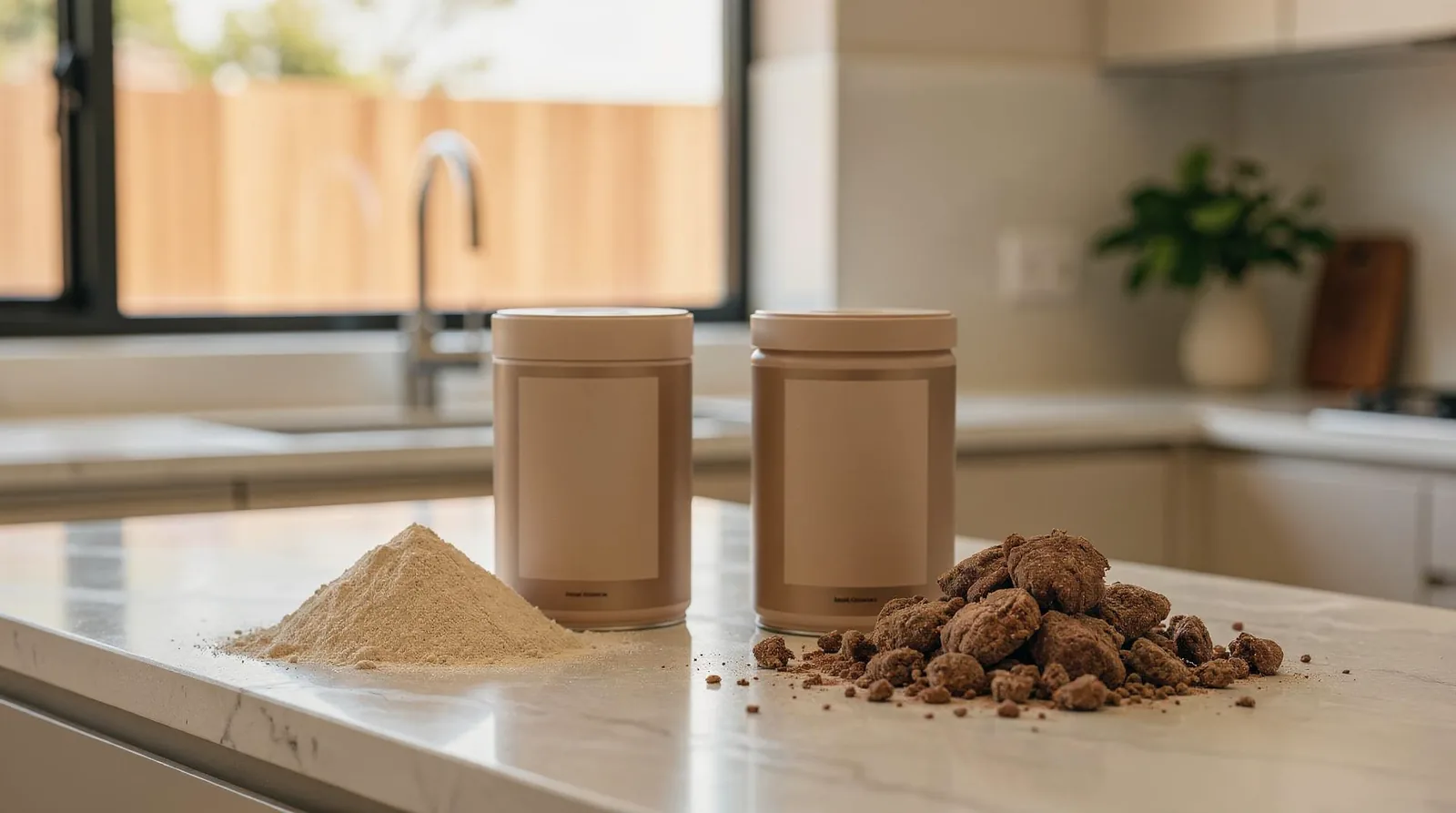
Heat and humidity across much of Australia create conditions that strip potency from organ supplements faster than cooler climates allow. Freeze drying and heat drying remove moisture to form stable powders. The two methods differ significantly in nutrient preservation, texture, and shelf stability. That difference becomes critical once beef liver capsules sit in a humid Queensland pantry or a hot Western Australian car for weeks on end.
Not every nutrient reacts to heat the same way. Heat-sensitive compounds inside liver capsules degrade at different rates. A product already weakened during processing has less resilience left to withstand Australia's climate swings. Capsules exposed to repeated warmth lose potency long before the use-by date arrives.
Does Freeze-Drying Protect Nutrients Better Than Other Methods?
Freeze-drying preserves nutrients better than cooking fresh organ meat, which is why the preserved profile inside organic beef liver capsules deserves protection after purchase. Losing that advantage through poor storage defeats the purpose of choosing a freeze-dried product in the first place.
Can Consumers Tell How Capsules Were Dried From The Label?
Desiccated liver simply means dried liver; the label alone doesn't reveal the drying method used. Without that detail, consumers can't assume every capsule handles Australian heat the same way. Storing beef liver capsules correctly, away from direct sun, humidity, and warm appliances, protects whichever processing method was used underneath the label.
How Should You Store Liver Capsules At Home?
Cool, dark, and airtight conditions protect liver capsules best. Beef liver capsules carry iron, B12, vitamin A, CoQ10, selenium, and zinc in naturally absorbable forms. Each of those compounds reacts differently to light, air, and warmth. Losing potency after purchase defeats the purpose of choosing a nutrient-dense wholefood supplement in the first place.
Processing method matters here, too. Desiccation relies on heat between 60°C. 90°C, a process that can already weaken temperature-sensitive compounds before the jar ever reaches a kitchen cupboard. Capsules that started out more fragile need extra protection once they're home, not less.
Where Should Organ Capsules Be Kept In An Australian Home?
A pantry shelf away from the stove, oven, or sunny window works better than a spot near appliances. Australian summers push indoor temperatures higher across many regions, so a cupboard rather than a benchtop reduces heat exposure.
Storing beef liver capsules correctly also means minding moisture and airflow:
Reseal the original container tightly after every use
Avoid humid spots like bathroom cabinets or near the sink
Keep capsules away from direct sunlight, which accelerates oxidation
Check for clumping, which can signal moisture intrusion
Organic beef liver capsules sourced for Australian households benefit from the same careful handling, since nutrient preservation depends on storage as much as original processing quality.
FAQ
How should I store freeze-dried organ supplements in Australia's climate?
Keep capsules in airtight containers below 25°C, away from direct sunlight, humidity, and kitchen heat sources like stovetops, with desiccant packets intact to prevent moisture absorption.
How long do opened containers stay potent in humid conditions?
Opened containers degrade within 30 days in humid climates. Gelpro recommends keeping supplements sealed until use to maintain nutrient potency.
Why does Gelpro's Pendle Hill location matter for storage advice?
Gelpro Australia's Pendle Hill, NSW location experiences high humidity, making airtight, desiccant-protected storage essential for preventing moisture absorption and clumping in freeze-dried capsules.
Conclusion
In closing, proper storage of freeze-dried organ supplements protects their nutrient density and potency across Australia's variable climate. By maintaining cool, dry conditions away from direct sunlight and moisture, you preserve the bioavailability of these concentrated wholefood nutrients. Consistent storage practices ensure your investment in premium, nutrient-dense supplementation delivers the sustained wellness support your body deserves, season after season.


